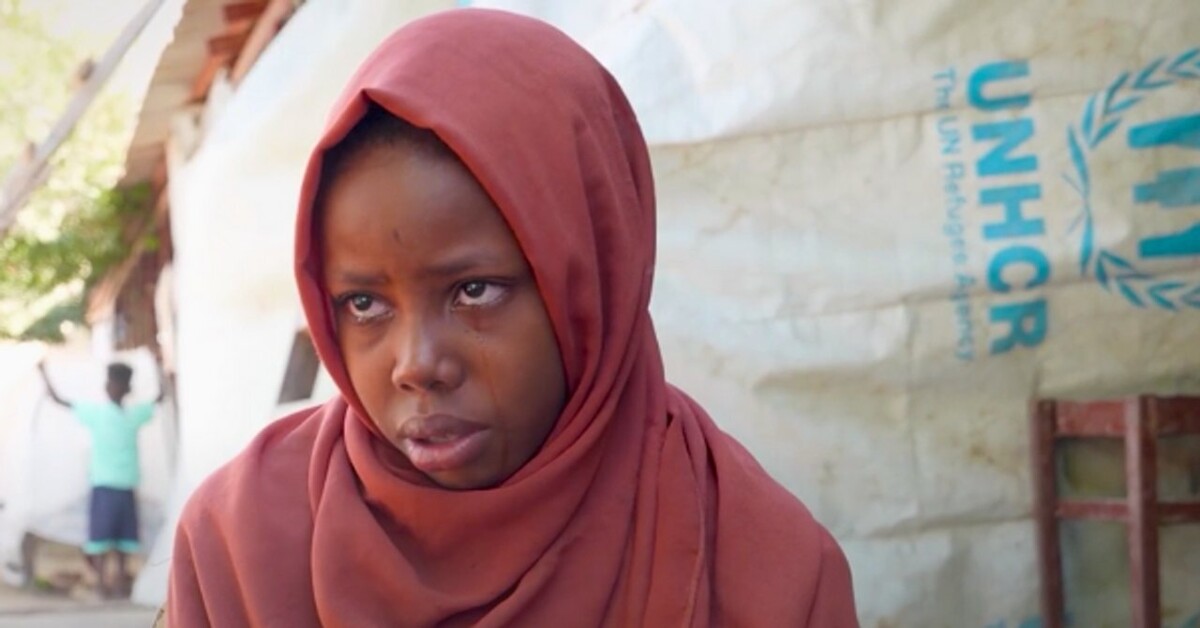
Sudan, December 17, 2025 (NA) – At just 13 years old, Mishkat speaks on behalf of more than 15 million girls and boys growing up in Sudan, Africa, in the middle of a war they did not choose.
She speaks softly, but every word of hers carries the force of an entire generation: "I am a little girl. My voice is soft, but I need someone to listen to me. I want to rebuild my Sudan. I want to return to my home."
"Tengo sueños en mi corazón, tantos deseos que quiero cumplir," she begins to recount her testimony, to which the Argentine news agency Noticias Argentinas had access. "Quiero continuar mis estudios," she continues. She concludes by emphasizing, above all, "I want people to be able to return safely to their homes, without war, and for their houses to never be destroyed again."
Her story is spreading as a global call to action and compassion for the children affected by the Sudanese crisis. The teenager has become a symbol of the hope and suffering of the children of her country. She shares emotional messages and poems through organizations such as UNHCR, calling for an end to the war so she can return home and rebuild her country—a call for peace and dignity for her generation.
Devastation and Pain
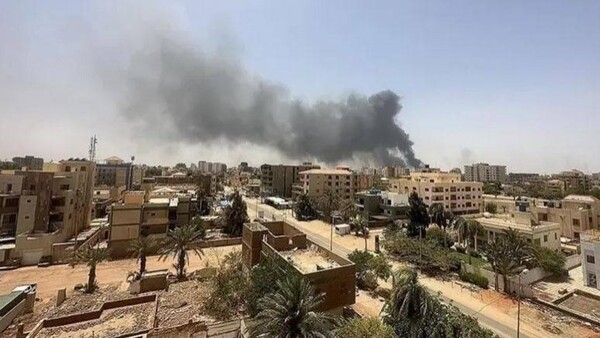
The progression of the war is pushing this dream further and further away. Bombed-out hospitals, amputated children, mothers fleeing. The conflict that has ravaged Sudan for nearly two years is at a stalemate, amid growing indifference: more than 15 million children need humanitarian aid, and a third suffer from acute malnutrition.
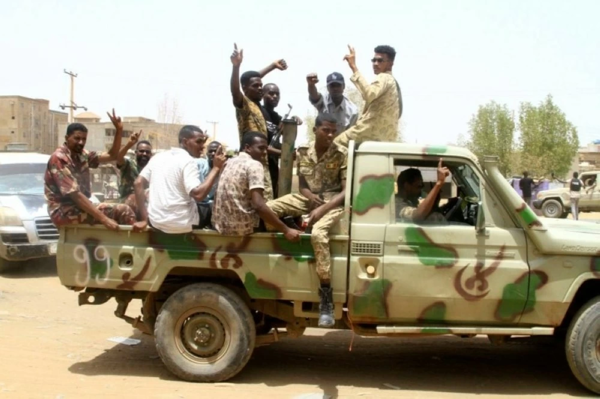
Fighting has intensified especially in the regions of Kordofan, which have become the "epicenter of the clashes."
Shayna Lewis, of the American organization PAEMA for the prevention and elimination of mass atrocities, shocked the audience with her account.
"A stray bullet went through the walls of her house and broke her leg. She spoke to me, her bones held together by metal pins," she said of a girl she met at the Al Nao hospital, in the Khartoum region.
Lewis spoke of children maimed by explosive remnants, of the "16 cases of rape of children under five, including four babies of one year" recorded by the United Nations Children's Fund (UNICEF), of exhausted caregivers, and of hospitals turned into targets.
At the Ahmed Gasim hospital, the Rapid Support Forces (RSF) "destroyed Sudan's only cardiac MRI machine, ripped out electrical cables and sabotaged the machines they could not take, particularly pediatric ventilators."
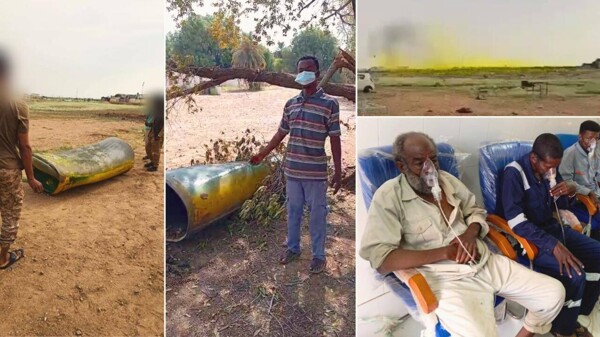
Elsewhere, the Sudanese army is launching barrel bombs and attacking markets and mosques.
"All these violations against the civilian population must cease immediately," she insisted.
Amnesty International
Just a few days ago, Amnesty International published a new report revealing that the Rapid Support Forces (RSF) deliberately killed civilians, took hostages, and looted and destroyed mosques, schools, and health centers during a large-scale attack carried out in April against Zamzam, the largest camp for internally displaced persons in North Darfur state.
These human rights violations must be investigated as war crimes under international law.
The report, "A refuge destroyed: RSF violations in Darfur's Zamzam camp for internally displaced persons," documents the attack perpetrated by the RSF between April 11 and 13, 2025, against the camp, where explosive ordnance was used and firearms were fired indiscriminately in populated residential areas.
The relentless attack caused the flight of some 400,000 people from the camp and was framed within the military campaign to take control of El Fasher, the capital of North Darfur state, which the RSF had initiated in May 2024.
The RSF announced they had taken control of El Fasher on October 26, executing dozens of unarmed men and raping dozens of women and girls during the capture of the city.
Disregard for Human Life
n "The horrific and deliberate attack by the RSF on desperate and starving civilians in the Zamzam camp once again demonstrates the alarming disregard of these forces for human life. They attacked without mercy and killed civilians, who were stripped of essential items for their survival and sustenance, and were left with no recourse before justice, as they mourned the loss of their loved ones."
"First, the war must end. This was not an isolated attack; it was part of a sustained campaign against villages and camps for internally displaced people," stated Agnès Callamard, Secretary General of Amnesty International.
"Some international partners, such as the United Arab Emirates, actively fueled the armed conflict by providing weapons to the RSF."
The latest UNHCR Global Trends report, published in June 2025, reveals that as of April this year, more than 122 million people worldwide were forcibly displaced. Of these, 69% are women, children, and girls living in contexts of crisis, flight, and the search for security.
Currently, UNHCR is providing assistance in the face of dozens of emergencies and protracted crises in various countries, striving to ensure the safety of people who have been forcibly displaced.
A Global Call
n Whether in Sudan, Syria, Ukraine, Afghanistan, or the Democratic Republic of the Congo, millions of people are fleeing and need protection, support, and help.